

Wondering if there's anything tasty—or even safe—you can actually eat with brand-new braces? The first day of wearing braces is a milestone, but it often comes with a big question mark: What are the best foods to eat with braces the first day, and which ones should you avoid? Whether you’re nervous about discomfort, not sure what your mouth can handle, or just want some easy meal ideas, this guide has all the answers to make your first day (and week) with braces a breeze.
Curious About What to Eat with Braces the First Day? Get Expert Answers Here.
When you first get braces, your mouth can feel a little sore and your teeth might be extra sensitive. It’s completely normal to worry about what you can eat with braces the first day. The key is choosing foods that are soft, comforting, and gentle on your teeth—think mashed potatoes, yogurt, and scrambled eggs. These foods help ease you into your new orthodontic journey while avoiding any painful surprises from tough or crunchy snacks. If you focus on eating soft foods the first day, you’ll help your mouth adjust, minimize discomfort, and even protect your brackets and wires. Get ready to learn which eats are best for your first orthodontic meals, what to skip, and how to keep your smile healthy right from day one.
With helpful real-life examples and expert-backed tips, this article makes sure you’re not left second-guessing your next bite. Say goodbye to confusion and hello to confidence as we break down what to eat, what to avoid, and how to ensure a smooth start to your week with braces.

What You'll Learn About What to Eat with Braces the First Day
Find soft foods ideal for your first meals with braces
Understand what foods to avoid when wearing braces
Gain tips for managing the first week of braces and maintaining oral hygiene
Get answers to the most common eating with braces questions
Overview: Why Diet Matters on the First Day of Wearing Braces
Impact of orthodontic treatment on your eating habits
Importance of starting with soft food after getting braces
First day expectations for eating with braces
"Day one of braces is about comfort. Choosing the right foods can make the transition smoother and help avoid unnecessary discomfort." — Orthodontic Specialist, Dr. Lee
Orthodontic treatment means more than just straighter teeth—it introduces changes to your daily routine, especially what and how you eat. On your first day with braces, your teeth and gums may feel tender or sensitive as your mouth adjusts to the new hardware. Jumping straight into solid foods or hard snacks can lead to discomfort and may even damage your braces. Instead, starting with soft foods gives your mouth time to get used to the braces and reduces the risk of irritation.
The first 24 hours are vital for your comfort and for setting the stage for the week of braces ahead. From breakfast to bedtime snacks, making smart choices helps minimize discomfort, protects your brackets, and encourages good oral health. Knowing what to eat and what to avoid ensures a smoother transition and can help you stick with your orthodontic treatment without added stress.
Best Soft Foods to Eat with Braces the First Day
What Counts as Soft Food During the First Week of Braces?
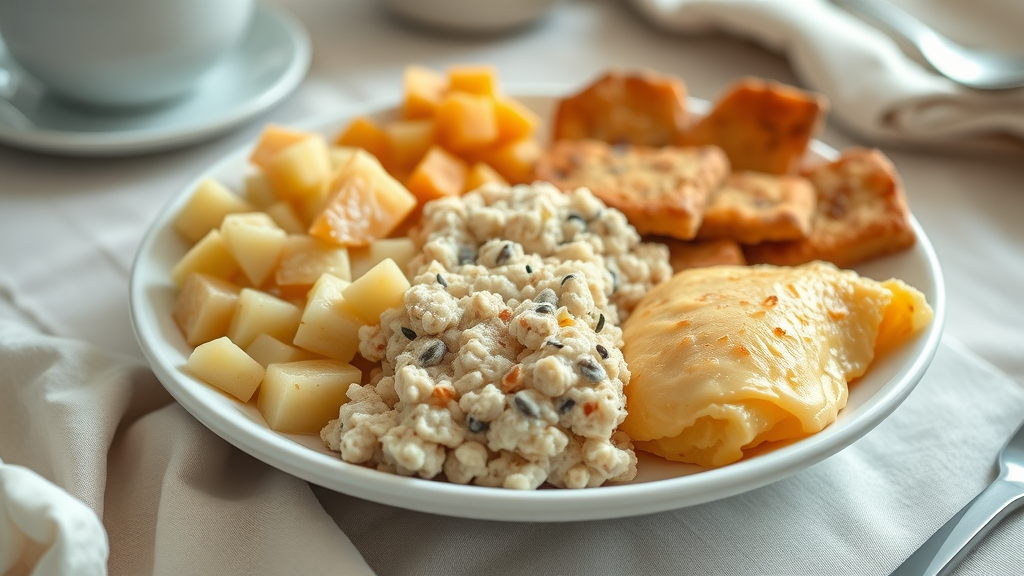
Examples: yogurt, applesauce, mashed potatoes, oatmeal, scrambled eggs
Why soft foods minimize irritation and discomfort for new orthodontic patients
For most people starting with braces, soft foods are a lifesaver. They cushion sore teeth and gums, are easy to chew, and don’t risk damaging brackets or wires. Ideal soft foods to eat with braces include yogurt, applesauce, mashed potatoes, oatmeal, and scrambled eggs. These are gentle on your mouth, require minimal chewing, and still let you enjoy a variety of flavors and nutrients. Soft foods are also less likely to get stuck in your braces, which helps protect your oral hygiene as you adapt to wearing braces.
Eating soft foods during your first week of braces is crucial. It reduces the risk of irritation, minimizes discomfort, and lets your mouth adjust to its new normal without extra stress. By planning your meals around easy, comforting options, you’ll make it much easier to smile through your orthodontic journey.
Ultimate List: Foods to Eat with Braces the First Day
Yogurt
Smoothies
Mashed potatoes
Soup (lukewarm, not hot)
Bananas and soft fruits
Scrambled eggs
Oatmeal
Cottage cheese
Pasta (well-cooked)
Soft cheeses
This list isn’t just safe—it’s full of delicious, satisfying meal and snack ideas! Yogurt packs in calcium, while smoothies let you sneak in fruits and even greens without needing to chew. Mashed potatoes and softly cooked pasta are comfort food classics, and scrambled eggs or cottage cheese provide protein while being gentle on sensitive teeth. Soups, especially chicken or veggie broths, help keep you hydrated and soothe sore gums, but make sure they’re only lukewarm to avoid extra sensitivity. Adding in soft fruits like bananas rounds out a sweet, gentle menu for your first day with braces.
Remember to keep portions manageable. Eating small bites of any of these soft foods will help your teeth and gums feel better and speed up your adjustment to wearing braces. Give yourself permission to stick with this kind of menu for the whole week of braces if that's what feels best.
Foods to Avoid When Eating with Braces on the First Day
Crunchy Foods, Hard Food, and Chewy Foods to Skip
Nuts, chips, popcorn
Raw vegetables, crusty bread, bagels
Sticky foods: caramels, toffees, gum
Why avoiding hard and sticky foods protects your orthodontic treatment results
Certain foods are a definite no-go if you want to minimize discomfort and protect your new braces. Crunchy foods like popcorn, chips, or even hard bread can easily pop brackets off or bend wires. Hard food—such as whole nuts or raw carrots—not only causes pain on sensitive teeth but may also damage your braces. Avoiding these foods helps you ensure a smooth transition and continue making progress with your orthodontic treatment.
Chewy foods or sticky foods such as caramel, chewing gum, or toffee are also risky. They can get lodged in your braces, make cleaning more difficult, and may pull brackets or wires loose. For best results, stick to soft, non-sticky foods on your first day and throughout your first week with braces. The goal: comfort, safety, and a hassle-free start to your healthier smile.

Eating Soft: Key Tips for the First Week with Braces
Chew with small bites and eat slowly
Cut foods into smaller pieces
Stay hydrated and rinse your mouth after meals
Mastering eating soft foods and chewing gently is essential during your week of braces. Start by slicing or dicing your meals into smaller, bite-sized pieces that require less effort to chew. This simple adjustment can significantly minimize discomfort, especially while your mouth adjusts to its new normal. Take your time eating; slow, mindful chewing helps reduce pressure on tender teeth and gums, making every bite more comfortable.
Staying hydrated is another important tip—drinking water throughout the day not only soothes sore spots but also helps rinse away any food debris from your braces. After each meal or snack, make it a habit to rinse your mouth, helping keep your oral hygiene on track and giving you a head start on preventing issues like cavities or gum irritation.
Food Type |
Safe Options |
Foods to Avoid |
|---|---|---|
Dairy |
Yogurt, Soft Cheese |
Hard Cheese (chunks) |
Fruits & Veg |
Mashed Bananas, Steamed Veggies |
Raw Carrots, Apples |
Grains |
Pasta, Oatmeal |
Popcorn, Hard Granola |
Protein |
Scrambled Eggs, Fish |
Jerky, Tough Meats |
Sweets |
Pudding, Jello |
Sticky/Hard Candies |
Beyond the First Day: How to Eat with Braces the First Week
Tips for Adjusting During Your First Week of Braces
Monitor for discomfort and adjust your diet as needed
Continue prioritizing soft foods through the week
Reintroduce new foods gradually after orthodontic adjustments
After your first day with braces, you may start to feel your mouth adjusting—but soreness and sensitivity can linger for several days. It’s wise to stick to soft foods for the entire week with braces. Listen closely to how your teeth feel: if you experience discomfort, avoid hard and chewy foods a bit longer. Gradually add new foods back to your meals as your mouth feels ready, and always cut foods into small, manageable bites. This helps prevent accidental bracket or wire damage.
Every person’s orthodontic journey is unique, so don’t compare your timeline to others. Prioritize comfort and be patient as your mouth gets used to wearing braces. The most important thing is to go slow—eat mindfully, choose gentle options, and you’ll be back to more variety (within orthodontist guidelines!) before you know it.

Oral Hygiene and Eating with Braces: Essential Habits from Day One
Brush teeth after every meal
Use interdental brushes for hard-to-reach areas
Importance of flossing and rinsing to prevent issues
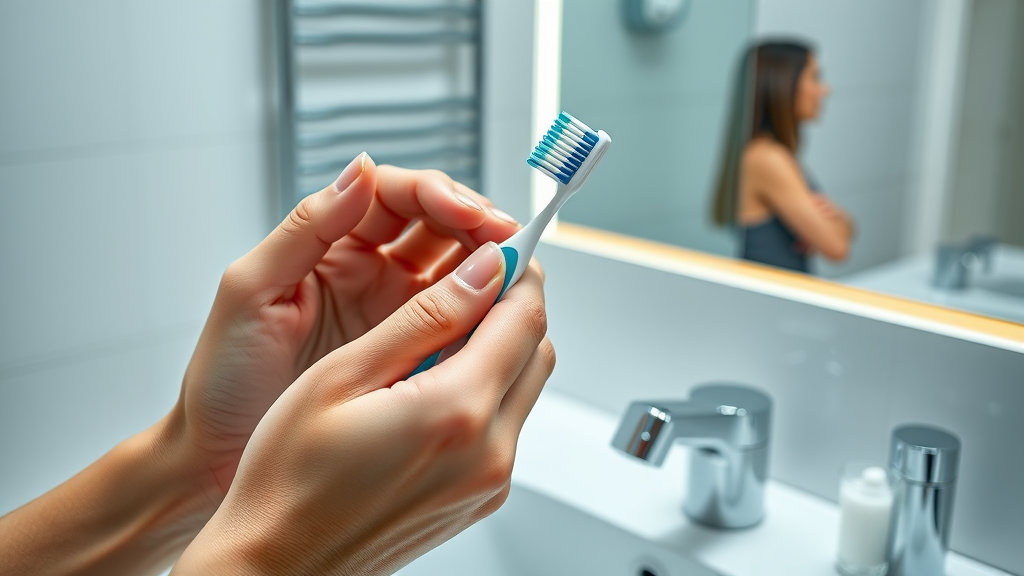
Good oral hygiene is crucial when you eat with braces. Tiny bits of food can easily get trapped around brackets and wires, so make it a habit to brush your teeth after each meal. This keeps your teeth and gums healthy, helps prevent cavities, and ensures a healthier smile at the end of your treatment.
Don’t forget about interdental brushes and floss—they’re designed to reach the tricky places regular toothbrushes can’t. Finish up by rinsing your mouth well with water or an antibacterial mouthwash. These habits protect both your orthodontic investment and your overall oral health. Prioritizing cleanliness from the first day with braces means fewer issues down the road.
Expert Tips on Maintaining Comfort When Eating with Braces
"Stay patient with your new braces; discomfort will fade and healthy eating will keep your treatment on track." — Dr. Carter, Orthodontist
Even if your week of braces starts out challenging, remember that patience pays off. Don’t rush into eating solid foods or return to crunchy snacks just because you’re craving something different. Slow transitions, persistent oral hygiene routines, and smart meal choices set you up for orthodontic treatment success—and a beautiful smile when your journey is done!
If soreness becomes too intense, try soothing your mouth with cold foods like yogurt or lukewarm broth, and don’t hesitate to contact your orthodontist if you’re unsure about what’s safe. You’re never alone—every smile on this path has had a “first day,” and expert advice is just a call away.
People Also Ask: FAQs About What to Eat with Braces the First Day
What fast food can I eat with braces the first week?
Options like mashed potatoes, soft wraps without crunchy fillings, or soft tacos can be safer choices. Avoid fried, crunchy, or very chewy fast food items.
How long until I can eat normal food with braces?
Normal eating resumes gradually. After the first week of braces, most patients can add more foods, but should still avoid hard, sticky, or crunchy foods until treatment is complete.
Can I eat McDonald's with braces?
Choose soft menu items like Filet-o-Fish (without crunchy lettuce), fries (cautiously), and milkshakes. Avoid burgers with hard buns or crispy toppings.
What not to do on the first day of braces?
Do not eat hard, crunchy, or sticky foods. Avoid chewing gum and biting into whole foods like apples. Practice gentle brushing and drinking plenty of water.
Additional FAQ: Eating with Braces
Can I drink soda with braces on the first day?
How do I manage soreness after eating with new braces?
Are soups or broths recommended for the first day?
Can I drink soda with braces on the first day? It’s best to skip soda, especially sugary drinks, because they can increase the risk of cavities and make cleaning brackets trickier. If you do have soda, rinse your mouth with water afterward and stay consistent with your oral hygiene routine.
How do I manage soreness after eating with new braces? Soreness is common during your first week with braces. Try eating cold or lukewarm soft foods, rinsing with saltwater, and following your orthodontist’s advice for managing discomfort.
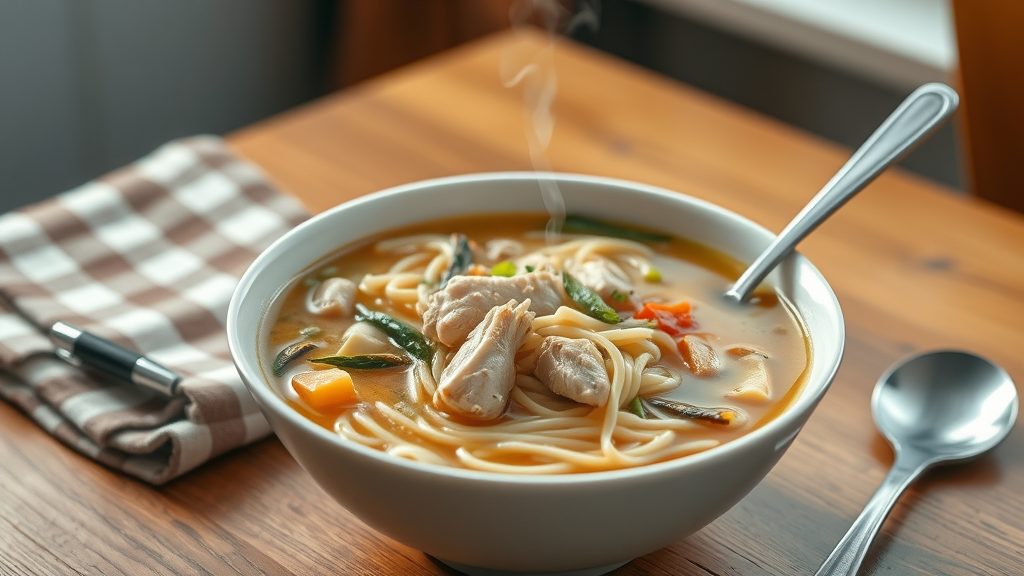
Are soups or broths recommended for the first day? Absolutely! Mild, lukewarm soups or broths are easy to eat, soothing, and keep you hydrated. Just avoid anything too hot, which could make sensitivity worse.
Key Takeaways: What to Eat with Braces the First Day
Choose soft foods for comfort and safety
Avoid crunchy, hard, and sticky foods
Practice diligent oral hygiene after every meal
Consult your orthodontist if discomfort persists
Conclusion: Smooth Start for your Braces Journey – What to Eat with Braces the First Day
Proper food choices can make the first day and week with braces easier.
Stick to soft foods to minimize discomfort and maximize results.
Stay Informed and Join the Smile Community
Your smile is worth it — and staying informed is the first step. Join hundreds of locals already following Grand Strand Smile Spotlight for updates, advice, and trusted care insights. https://grandstrandsmilespotlight.com
Adjusting to new braces can be challenging, especially when it comes to meal planning. To help you navigate this transition, here are two authoritative resources that offer comprehensive guidance:
This article provides a detailed list of soft foods suitable for the initial days after getting braces, along with practical tips to minimize discomfort and protect your orthodontic appliances.
Offering meal suggestions and advice on foods to avoid, this resource helps ensure a smooth dietary transition during your first week with braces.
If you’re serious about making your orthodontic journey as comfortable as possible, these resources will provide valuable insights and practical tips to guide you through your first days with braces.












Write A Comment